

Gas vs Hybrid vs Electric: What’s Best for Driving in Montana?
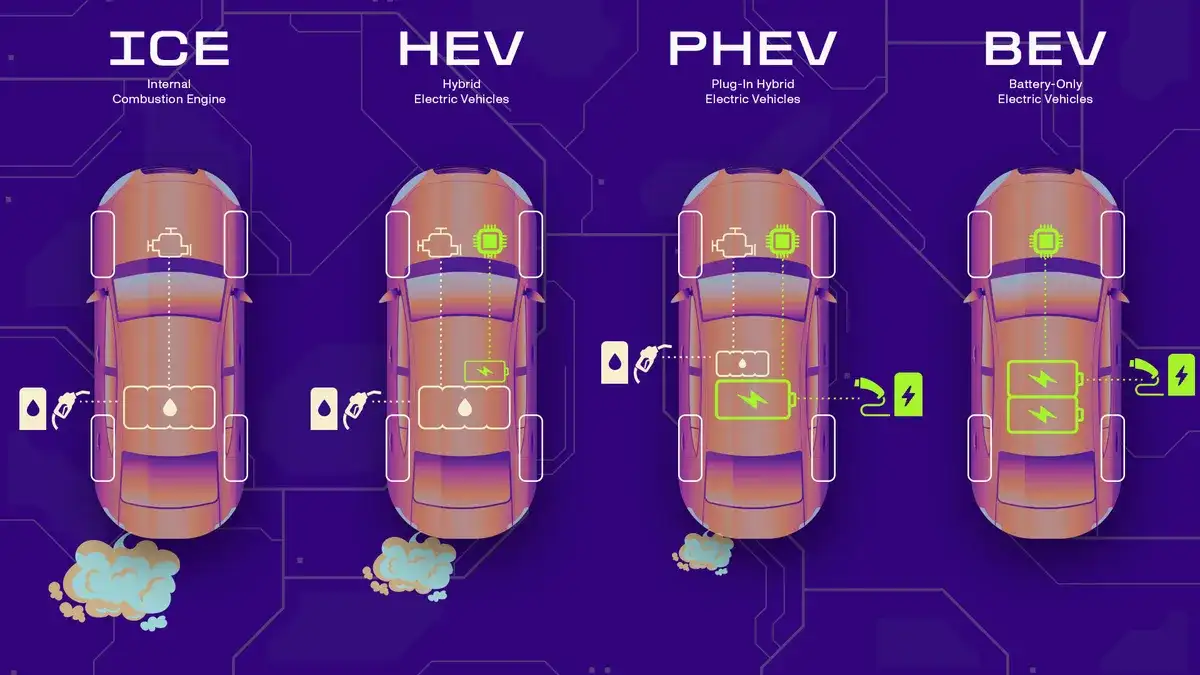
Image Credit: CNET
Gas vs Hybrid vs Electric: What’s Best for Driving in Montana?
If you’re shopping for your next vehicle in Montana, you’ve probably asked the big question: gas vs hybrid vs electric, which actually makes the most sense here?
Between long distances, cold winters, and growing EV infrastructure, the answer isn’t one-size-fits-all. At Kalispell Auto Group, we carry all three options across brands like Ford, Toyota, and Volkswagen—so here’s a clear, no-BS breakdown to help you decide.
What’s the Difference Between Gas, Hybrid, and Electric?
- Gas vehicles run entirely on gasoline.
- Hybrid vehicles combine gas + electric power.
- Electric vehicles (EVs) run 100% on battery power.
Each has real advantages, especially depending on how and where you drive in Montana.
Gas Vehicles: Reliable & Road Trip Ready
Examples:
- Volkswagen Atlas
- Ford Explorer (gas)
Pros
- Easy refueling anywhere in Montana
- Proven reliability in cold weather
- Ideal for long-distance driving and rural areas
Cons
- Higher fuel costs in the long term
- More maintenance (oil changes, engine wear)
- Lower efficiency vs hybrid/EV
👉 Best for: Rural drivers, long commutes, towing, or anyone not ready to rely on charging infrastructure.
Hybrid Vehicles: The Best Middle Ground
Examples:
- Toyota Prius
- Toyota RAV4 Hybrid
- Ford Explorer Hybrid
Pros
- Better fuel economy (especially in city driving)
- No need to plug in
- Lower emissions and fuel costs
Cons
- Still relies on gas
- Slightly higher upfront cost
- Less electric-only range than EVs
Real Savings in Montana
Hybrid drivers typically cut fuel costs by 20–40% compared to gas vehicles, depending on driving habits.
👉 Best for: Drivers who want better MPG without changing how they refuel.
Plug-In Hybrid Vehicles (PHEVs): The Step Between Hybrid and Electric
Plug-in hybrid electric vehicles (PHEVs) take the hybrid concept a step further. Instead of relying mainly on gasoline like a traditional hybrid, PHEVs can be charged externally and drive short distances using only electric power.
How they work:
- Charge at home or at a public charger
- Drive on electric power for short trips.
- The gas engine kicks in when the battery runs out.
Pros
- Ability to drive short distances on electricity alone
- No full reliance on charging infrastructure
- Excellent fuel savings for daily commuting
- Great “transition” option into EV ownership
Cons
- Higher upfront cost than standard hybrids
- Heavier vehicle due to dual systems
- Requires plugging in to get the full benefit
Montana Fit
PHEVs make a lot of sense for Kalispell-area drivers who:
- Commute locally during the week.
- Take longer highway trips on weekends.
- Want EV driving without worrying about charger availability.
Examples you may see across brands:
- Toyota RAV4 Prime (PHEV)
- Ford Escape Plug-In Hybrid
Electric Vehicles (EVs): Lowest Running Costs
Examples:
- Ford Mustang Mach-E
- Toyota bZ (bZ4X)
- Upcoming Toyota C-HR EV
Pros
- Lowest cost per mile
- Minimal maintenance (no oil, fewer moving parts)
- Smooth, quiet driving
Cons
- Charging infrastructure is still growing, especially in Montana.
- Range drops in cold weather.
- Higher upfront cost (though incentives may apply)
EV Charging in Montana: What You Need to Know
How many charging stations are in Montana?
- Around 146 charging stations statewide with ~450 ports
- Over 200+ Level 2 and DC fast chargers combined
- Kalispell alone has 20+ charging ports within 9 miles.
👉 Bottom line: Charging is improving fast, but planning still matters outside major towns. Discover EV charging locations across the Flathead Valley.
Cost to Install a Home Charger
- Level 2 charger install in Montana: ~$800–$2,500 total
- Typical average: ~$1,100–$1,200
👉 This is the game-changer for EV ownership, most owners charge at home overnight.
Cost to Charge vs Gas
- Electricity: ~$0.13/kWh in Montana
- EV cost: ~3–4 cents per mile
- Gas vehicle: ~12 cents per mile
👉 That’s roughly $900–$1,000/year in savings for the average driver
Montana Reality Check: Which One Should You Choose?
Here’s the honest breakdown based on how people actually drive here:
Choose Gas If:
- You drive long rural distances often.
- You don’t want to plan charging stops.
- You need max towing capability.
Choose Hybrid If:
- You want better MPG without lifestyle changes.
- You split driving between the city + highway.
- You want reliability with lower fuel costs.
Choose Electric If:
- You mainly drive in/around Kalispell or larger towns.
- You can install a home charger.
- You want the lowest long-term cost.
Final Verdict: What’s Best for Montana Drivers?
There’s no universal winner, but here’s the truth:
- Gas = convenience + range
- Hybrid = balance + efficiency
- EV = lowest cost + future-focused
For most Montana drivers right now?
👉 Hybrid is the safest all-around choice
👉 EV is the best long-term play if you can charge at home
👉 EV is the best long-term play if you can charge at home
Plug-in hybrid vehicles are great if you want to go more electric without sacrificing the viability of gas in Montana.
Find Your Next Vehicle in Kalispell
Whether you’re ready to go electric or sticking with gas, Kalispell Auto Group has options across every category.
0 comment(s) so far on Gas vs Hybrid vs Electric: What’s Best for Driving in Montana?