

Hybrid vs. Gas in 2026: Which Vehicle Is Right for You?
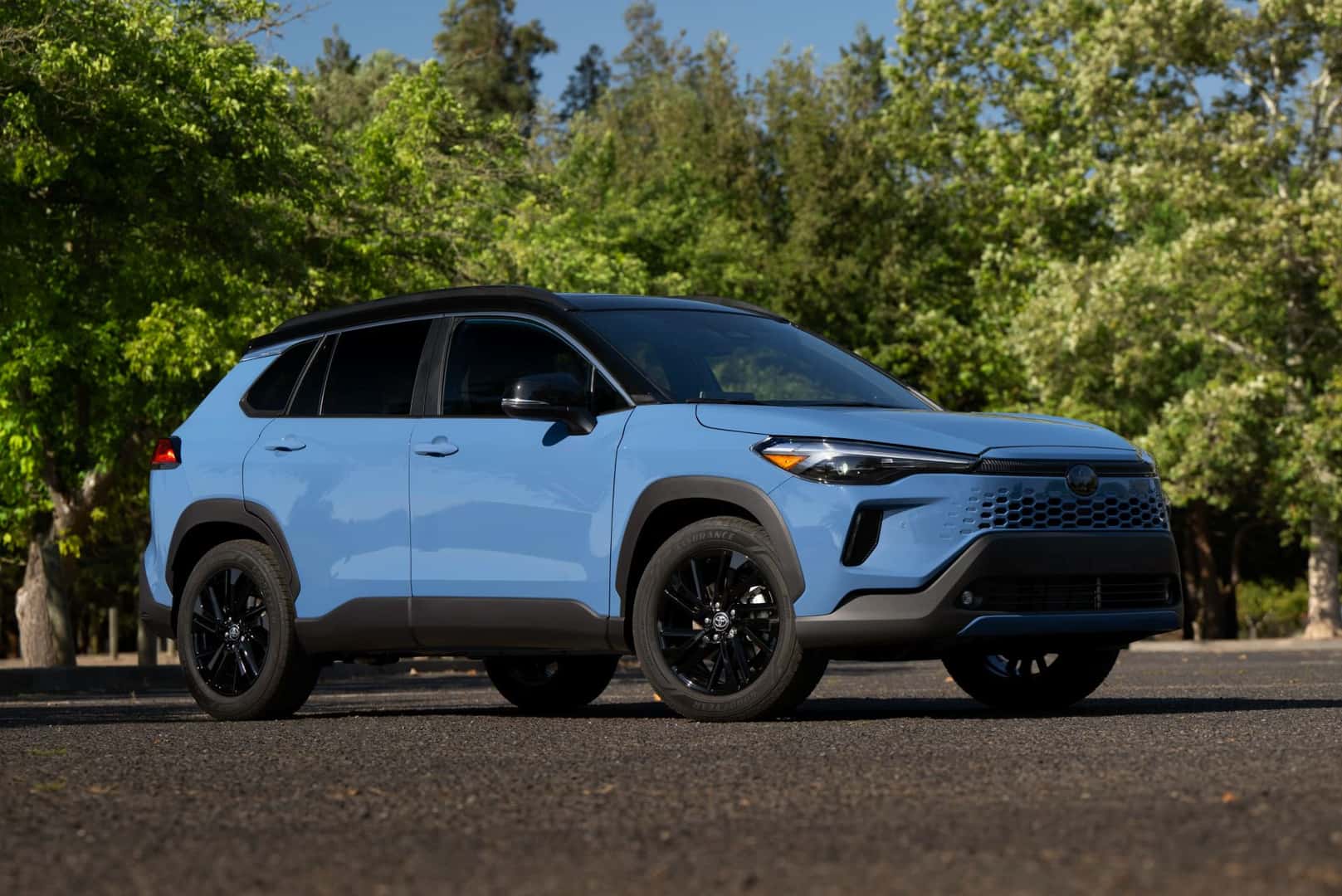
Hybrid vs. Gas in 2026: Which Vehicle Is Right for You?
Shopping for a new vehicle in 2026? One of the biggest decisions you’ll face is whether to choose a hybrid or a traditional gasoline-powered vehicle. Both offer advantages, but the right choice depends on your driving habits, budget, and what you need from your next car, truck, or SUV.
For drivers in Kalispell and across the Flathead Valley, the decision can be especially important. Between Montana’s long distances, changing weather, mountain roads, and everyday commuting, finding a vehicle that fits your lifestyle matters.
So, is a hybrid worth it in 2026, or should you stick with a gas-powered vehicle? Let’s break down the differences.
What Is the Difference Between a Hybrid and a Gas Vehicle?
A traditional gas vehicle uses an internal combustion engine powered by gasoline. It relies on that engine to generate the power needed to move the vehicle.
A hybrid combines a gasoline engine with an electric motor and battery. The electric motor can assist the engine, and some hybrids can drive short distances using electric power alone. Hybrid systems also capture energy during braking and use it to recharge the battery.
Most conventional hybrids do not need to be plugged in. They recharge through the engine and regenerative braking, making them convenient for drivers who want improved fuel economy without changing how they refuel.
Plug-in hybrids are a separate option. They have a larger battery that can be charged externally, allowing them to drive on electricity for a limited distance before relying on gasoline.
For this comparison, we’re focusing primarily on conventional hybrids and gas-powered vehicles.
1. Fuel Economy: Do Hybrids Save More Gas?
Fuel economy is one of the biggest reasons drivers consider buying a hybrid.
Because hybrids use electric assistance, regenerative braking, and engine shutoff systems, they can consume less gasoline than comparable conventional vehicles. The benefits are often especially noticeable in city driving and stop-and-go traffic.
For example, a hybrid SUV that achieves significantly better MPG than its gas counterpart could help reduce the amount you spend at the pump over time.
However, fuel savings depend on the specific vehicles being compared. A hybrid sedan and a gas-powered full-size truck serve different purposes, so comparing their MPG figures alone won’t tell the whole story.
Before buying, compare the EPA-estimated city, highway, and combined fuel economy for the exact models you’re considering.
What does that mean for Montana drivers?
If you regularly commute around Kalispell, run errands in town, or encounter stop-and-go traffic, a hybrid may be an excellent way to improve fuel efficiency.
If most of your driving involves long highway trips, the advantage may be smaller, depending on the vehicle.
Cold weather, road conditions, driving speed, and cabin heating can also affect real-world fuel economy. Montana winters are worth considering when evaluating the mileage you can realistically expect.
2. Purchase Price: Is a Hybrid More Expensive?
Hybrid vehicles can carry a higher purchase price than comparable gas-powered models, although the difference varies by vehicle, trim level, and available incentives.
That higher upfront cost is not necessarily a dealbreaker. The key is determining whether the fuel savings you expect to earn over your ownership period justify the price difference.
Consider these questions:
- How many miles do you drive each year?
- How much does gasoline typically cost where you fill up?
- How much more does the hybrid version cost?
- How long do you plan to own the vehicle?
A driver who travels substantial annual mileage may have more opportunity to recover the hybrid’s added cost through fuel savings. Someone who drives only occasionally may find that a traditional gas vehicle makes more financial sense.
Remember to compare the total cost of ownership, not just the sticker price. Insurance, financing, maintenance, depreciation, and fuel costs all contribute to what you actually spend.
3. Maintenance and Long-Term Ownership
Both hybrid and gasoline vehicles require routine maintenance. Neither should be considered maintenance-free.
Gas-powered vehicles generally have straightforward powertrains, with familiar service needs such as oil changes, filters, spark plugs, and transmission maintenance, depending on the model.
Hybrids still have gasoline engines, so they require many of those same services. They also contain electric motors, high-voltage batteries, and additional electronic components.
There are some potential maintenance advantages to hybrids. Regenerative braking can reduce wear on conventional brake components, and the electric motor may reduce how often the gasoline engine needs to operate under certain driving conditions.
That said, battery condition, warranty coverage, and the cost of potential repairs are important considerations, particularly when shopping for a used hybrid.
When comparing vehicles, review the manufacturer’s maintenance schedule and battery warranty rather than assuming one powertrain will always be cheaper to maintain.
4. Performance and Driving Experience
Choosing between hybrid and gas power does not mean sacrificing performance.
Many hybrids deliver responsive acceleration because their electric motors provide additional torque. Depending on the vehicle, that can make merging, pulling away from a stop, and navigating traffic feel smooth and effortless.
Traditional gas vehicles offer a familiar driving experience and come in a wide range of configurations, from efficient compact cars to powerful trucks and performance-oriented SUVs.
For drivers who need towing capability, payload capacity, or a particular type of off-road performance, the exact model matters more than whether it uses hybrid technology.
Some hybrids are designed primarily for efficiency, while others combine electric assistance with substantial power.
Always check the vehicle’s rated towing capacity, payload, and performance specifications before choosing it for demanding work.
5. Are Hybrids Good for Montana Winters?
A hybrid can be a practical choice for Montana, but winter driving deserves special consideration.
Cold temperatures can reduce fuel economy in both hybrid and gas-powered vehicles. Hybrids may experience additional efficiency changes because their battery systems and gasoline engines operate differently in cold conditions.
That does not mean hybrids are unsuitable for winter. Many offer available all-wheel drive, heated seats, heated steering wheels, and other features that make cold-weather driving more comfortable.
The most important winter considerations are:
- All-wheel drive: Available on many hybrid and gas-powered SUVs, but not every model.
- Winter tires: A major consideration for traction on snow and ice, regardless of powertrain.
- Ground clearance: Important if you regularly travel on snow-covered roads or unplowed driveways.
For drivers around Kalispell, Whitefish, Columbia Falls, and the surrounding mountain communities, choosing the right vehicle for the road conditions is just as important as choosing the right engine.
6. Which Is Better for Long Road Trips?
Both hybrids and gas vehicles can be excellent road-trip options.
A hybrid may reduce the number of fuel stops needed on a long trip if it delivers better real-world fuel economy and has a suitable fuel tank.
A traditional gas vehicle can also offer excellent highway range, particularly when equipped with an efficient engine and a larger fuel tank.
Unlike a fully electric vehicle, a conventional hybrid does not require charging stops. You simply fill up with gasoline as usual.
If you frequently travel across Montana or take longer trips outside the state, compare the vehicle’s estimated highway MPG, fuel tank capacity, comfort, cargo space, and range.
For occasional road trips, either option can work well. Your everyday driving habits may be the more important factor in deciding which powertrain makes sense.
Hybrid vs. Gas: Which Should You Choose in 2026?
There is no universal winner. The best vehicle is the one that fits your budget, driving needs, and ownership plans.
A hybrid may be the better choice if:
- You drive frequently and want to reduce gasoline consumption.
- Much of your daily driving involves city streets or stop-and-go traffic.
- You plan to keep your vehicle for several years.
- You want electric assistance without having to plug in.
- You can find a hybrid that meets your winter, cargo, and performance needs.
A gas-powered vehicle may be the better choice if:
- You want to keep your initial purchase price lower.
- You drive relatively few miles each year.
- You need a particular truck, towing configuration, or performance package.
- You find a gas model that offers the features and capability you need at a better overall cost.
- The fuel savings from a comparable hybrid would not justify its price premium.
The decision becomes much easier when you compare specific vehicles rather than hybrid and gas powertrains in general.
Find Your Next Vehicle at Kalispell Auto Group
Whether you’re interested in a fuel-efficient hybrid SUV, a dependable gas-powered sedan, or a capable truck for life in Montana, Kalispell Auto Group can help you explore your options.
Our dealerships offer a variety of vehicles to fit different budgets, driving habits, and lifestyles. You can compare available models, explore features, and find a vehicle that works for your daily commute and your next Montana adventure.
Ready to compare hybrid and gas vehicles in person? Explore the inventory at Kalispell Auto Group or visit one of our dealerships to learn more about your options.
The right choice isn’t necessarily the vehicle with the highest MPG. It’s the one that gives you the best combination of value, comfort, efficiency, and capability for the way you drive.
0 comment(s) so far on Hybrid vs. Gas in 2026: Which Vehicle Is Right for You?