

What Does Road Salt Do to Your Vehicle in Montana?
What Does Road Salt Do to Your Vehicle in Montana?
Montana winters can be tough on your vehicle. Between snow, ice, freezing temperatures, and heavily treated roads, your vehicle deals with plenty of seasonal wear. One of the biggest concerns for Montana drivers is road salt and other de-icing chemicals.
So, what does road salt do to your vehicle? Over time, salt can accelerate rust and corrosion, damage exposed metal components, and contribute to problems underneath your vehicle. Regular washing and maintenance can help protect your vehicle throughout the Montana winter.
How Does Road Salt Cause Rust?
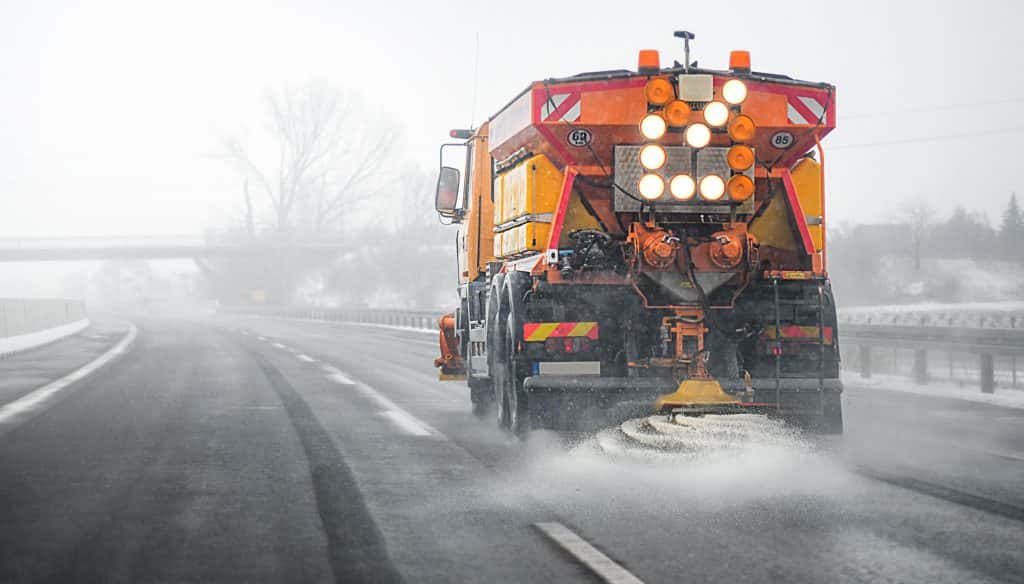
Road salt is used to help melt snow and ice and improve traction on winter roads. While it makes driving safer, salt can be hard on your vehicle.
When salt and moisture collect on exposed metal, they create an environment that encourages corrosion. Once corrosion begins, it can spread to additional areas of the vehicle, particularly when salt residue remains trapped underneath.
This is why winter driving in Montana can increase the risk of vehicle rust and corrosion, especially for vehicles that frequently travel on treated roads.
What Parts of Your Vehicle Can Road Salt Damage?
Road salt doesn’t only affect the visible exterior of your vehicle. Salt and salty water can reach areas underneath your vehicle that are difficult to see or clean.
Areas that can be affected include:
- Brake components
- Suspension components
- Exhaust components
- Fasteners and hardware
- Undercarriage components
- Wheel wells
- Body panels and exposed metal
The undercarriage deserves particular attention because road spray can carry salt and moisture into areas that aren’t easily cleaned during a normal car wash.
How Can You Protect Your Vehicle From Road Salt?
You don’t have to avoid winter driving to protect your vehicle. A few simple habits can help minimize the effects of road salt.
1. Wash Your Vehicle Regularly
Regular winter car washes can help remove salt and road grime before they have a chance to accumulate. When possible, choose a wash that includes undercarriage cleaning.
It’s especially important to wash your vehicle after driving through heavily treated roads or following periods of snow and ice.
2. Pay Attention to the Undercarriage
The bottom of your vehicle can collect significant amounts of salt and moisture. When washing your vehicle, make sure the undercarriage gets attention rather than focusing only on the exterior.
3. Keep an Eye Out for Rust
Look for bubbling paint, discoloration, flaking metal, or visible rust around wheel wells, the underbody, and other exposed areas. Catching corrosion early can make it easier to address.
4. Keep Up With Routine Maintenance
Winter conditions can put additional stress on your vehicle. Routine inspections can help identify corrosion or wear before a small issue becomes a larger repair.
If you’re unsure whether your vehicle has been affected by winter driving, a professional inspection can provide peace of mind.
Does Road Salt Affect Older Vehicles More?
Older vehicles aren’t automatically destined to rust, but age can make corrosion more noticeable. Vehicles that have already experienced paint damage, scratches, exposed metal, or previous corrosion may be more vulnerable to additional rust.
That makes preventative maintenance particularly important if you’re driving an older vehicle through Montana winters.
How Often Should You Wash Your Car in Montana Winter?
There’s no single schedule that works for every driver. If you’re regularly driving on roads treated with salt or other de-icing materials, washing your vehicle every couple of weeks during winter can be a reasonable starting point.
However, conditions matter. If Montana roads have recently been heavily treated, an additional wash can help remove accumulated salt before it sits on your vehicle for an extended period.
Protect Your Vehicle This Montana Winter
Road salt is an important tool for keeping Montana roads safer during winter, but it can take a toll on your vehicle. Regular washing, undercarriage cleaning, rust prevention, and routine maintenance can all help reduce the effects of salt and winter road conditions.
Whether you drive a Toyota, Ford, Volkswagen, or another make, keeping up with winter maintenance can help your vehicle stay reliable long after the snow melts.
If your vehicle needs an inspection, maintenance, or repair after a Montana winter, Kalispell Auto Group is here to help keep you on the road.
Frequently Asked Questions
Does road salt damage cars?
Yes. Road salt can accelerate corrosion and rust on exposed metal components, particularly when salt and moisture remain on the vehicle.
Does washing your car remove road salt?
Yes. Washing can remove salt and road grime from your vehicle. An undercarriage wash is especially helpful because salt can accumulate underneath the vehicle.
Is road salt bad for your brakes?
Salt and moisture can contribute to corrosion on brake components and other metal parts. Regular inspections can help identify excessive corrosion or wear.
How do I prevent rust from road salt?
Regularly washing your vehicle, cleaning the undercarriage, repairing damaged paint, and keeping up with routine maintenance can help reduce the risk of rust caused by road salt.
Why is road salt a problem in Montana?
Montana’s winter driving conditions often require snow and ice treatment on roads. Frequent exposure to salt, moisture, snow, and freezing temperatures can increase the risk of corrosion and rust.
0 comment(s) so far on What Does Road Salt Do to Your Vehicle in Montana?