

Winter Tires vs. All-Season Tires: Which Is Best for Montana Drivers?
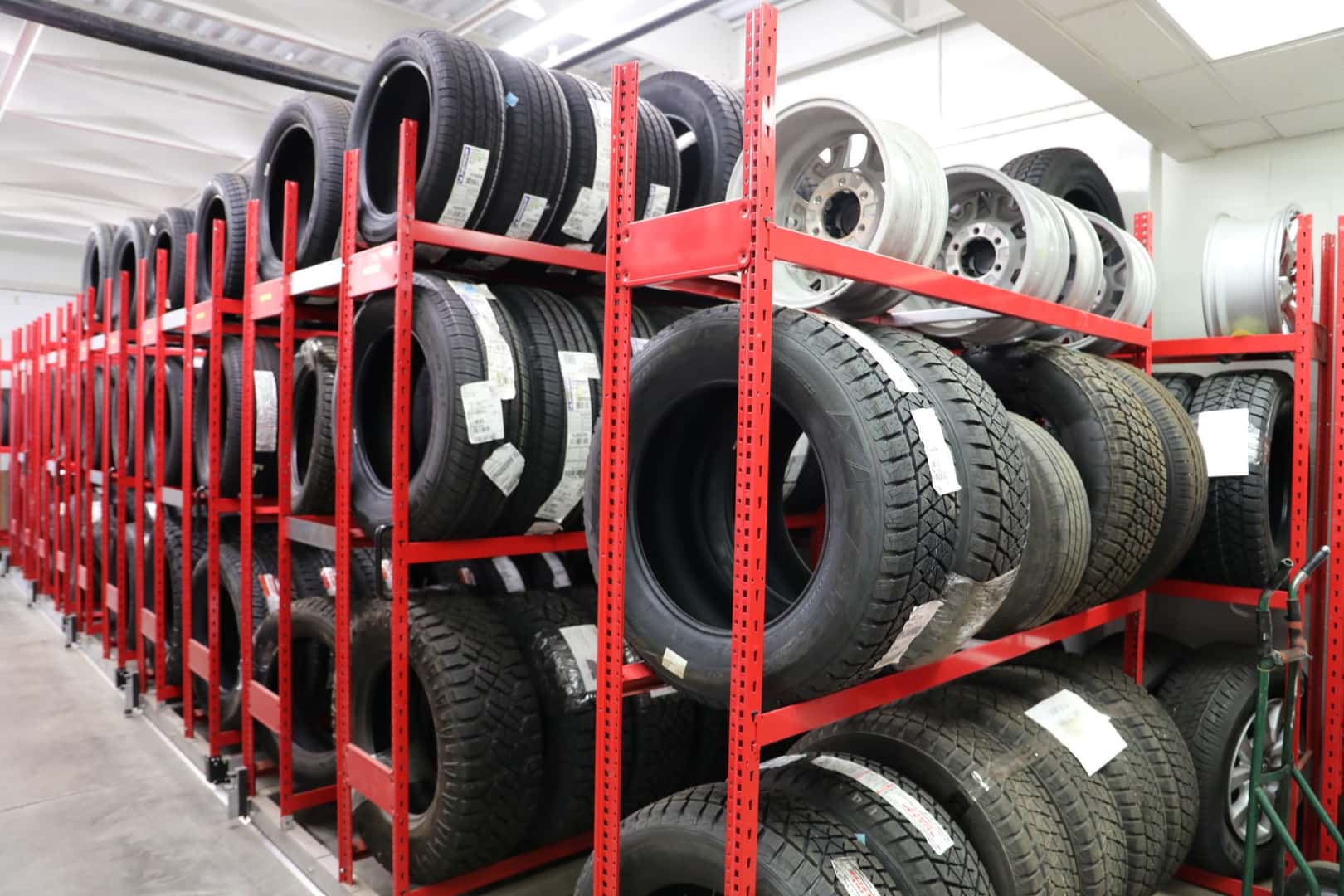
Winter Tires vs. All-Season Tires: Which Is Best for Montana Drivers?
Choosing between winter tires and all-season tires can make a significant difference in how your vehicle handles Montana’s winter roads. For drivers in Kalispell and the Flathead Valley, where snow, ice, freezing temperatures, and changing road conditions are common, understanding each tire type’s pros and cons can help you make a safer, more informed decision.
Winter tires generally provide better traction in snow, ice, and cold temperatures, while all-season tires offer year-round convenience and versatility. The right choice depends on your driving habits, local road conditions, and how much winter driving you do.
What Are Winter Tires?
Winter tires, also called snow tires, are specifically designed for cold-weather driving. They use specialized rubber compounds that stay flexible in low temperatures, plus tread patterns and small grooves called sipes that improve traction on snow and ice.
For drivers navigating Kalispell, Whitefish, Columbia Falls, and surrounding mountain roads, winter tires can provide an important advantage when temperatures drop and road conditions deteriorate.
Pros of Winter Tires
- Better snow and ice traction: Specialized tread designs help grip snow-covered and icy roads.
- Improved cold-weather braking: Winter tire compounds remain flexible in freezing temperatures, helping maintain traction.
- Better handling in winter conditions: They can provide more predictable control when accelerating, turning, and braking on slippery roads.
- Designed for Montana winters: They are particularly useful for drivers who regularly commute through snow, travel mountain highways, or encounter untreated roads.
Cons of Winter Tires
- Seasonal expense: You will need another set of tires and may need a second set of wheels.
- Required seasonal changes: Winter tires should generally be installed when temperatures consistently approach 45°F and removed when warmer weather returns.
- Faster wear in warm weather: Their softer rubber compounds can wear more quickly on warm, dry pavement.
- Potentially noisier ride: Some winter tires produce more road noise than typical all-season tires.
What Are All-Season Tires?
All-season tires are designed to provide balanced performance across a variety of conditions, including dry pavement, wet roads, and light snow. They are a popular option for drivers who want one set of tires throughout the year.
However, all-season tires are not specifically engineered for the harshest winter conditions. Their performance can be limited on packed snow, ice, and very cold roads compared with dedicated winter tires.
Pros of All-Season Tires
- Year-round convenience: One set of tires can be used in spring, summer, fall, and winter.
- Lower seasonal maintenance costs: You generally do not need to schedule seasonal tire changes or store an extra set.
- Comfortable everyday driving: Many all-season tires offer a quiet ride and dependable performance on dry and wet roads.
- Versatile performance: They work well for many drivers who encounter mild winters and primarily drive on cleared roads.
Cons of All-Season Tires
- Reduced traction in severe winter weather: They generally cannot match dedicated winter tires on snow and ice.
- Less effective in extreme cold: Their rubber compounds may become less flexible as temperatures drop.
- Longer stopping distances in winter conditions: Depending on the tire and road surface, braking performance can be significantly worse than with winter tires.
- Not ideal for frequent mountain driving: Drivers regularly traveling snowy or icy roads may benefit from the added traction of dedicated winter tires.
Winter Tires vs. All-Season Tires: Key Differences
The biggest difference is specialization. Winter tires prioritize cold-weather traction, while all-season tires balance performance across multiple seasons.
- Snow and ice: Winter tires generally perform better.
- Cold temperatures: Winter tires are designed to maintain grip in freezing weather.
- Warm, dry roads: All-season tires are generally better suited to year-round use.
- Convenience: All-season tires eliminate seasonal tire changes.
- Severe Montana winters: Winter tires are often the better choice for drivers who regularly face snow, ice, and unplowed roads.
One important distinction: all-weather tires are different from all-season tires. Many all-weather tires carry the Three-Peak Mountain Snowflake symbol, indicating they meet specific snow-traction performance requirements. Look for this symbol if you want a tire designed for year-round use with enhanced winter capability.
Should You Get Winter Tires in Kalispell, MT?
For many Flathead Valley drivers, winter tires are worth considering because winter driving conditions can change quickly. If you commute early in the morning, regularly drive between Kalispell and Whitefish, travel mountain passes, or frequently encounter snow-covered roads, dedicated winter tires can provide valuable traction and control.
All-season tires may be sufficient for drivers who primarily travel on well-maintained roads, drive less frequently in winter, and encounter relatively mild conditions. Your vehicle, tire quality, driving habits, and typical routes should all factor into the decision.
Remember that all-wheel drive and four-wheel drive can help a vehicle accelerate on slippery surfaces, but they do not eliminate the need for appropriate tires. Every vehicle still relies on tire traction for braking and cornering.
Get Your Vehicle Ready for Winter at Kalispell Auto Group
Preparing for winter starts with making sure your vehicle has the right tires for the roads ahead. Whether you are considering dedicated winter tires or looking for year-round tire options, choosing the right setup can help you approach Montana’s winter driving season with greater confidence.
Visit Kalispell Auto Group to explore our dealerships and find the vehicle and automotive resources that fit your needs. Our team is here to help you prepare for the changing road conditions across Kalispell and the Flathead Valley.
Planning for winter driving? Contact Kalispell Auto Group to learn more about your vehicle’s winter-readiness needs.
Frequently Asked Questions
Are winter tires better than all-season tires in Montana?
Winter tires generally provide better traction and braking performance in snow, ice, and cold temperatures. They are especially beneficial for drivers who regularly encounter severe winter road conditions.
At what temperature should I switch to winter tires?
A common guideline is to install winter tires when temperatures consistently fall below approximately 45°F. Switch back to your regular tires when temperatures consistently warm up in spring.
Can I use winter tires all year?
You can, but it is not recommended. Winter tires can wear more quickly in warm weather and may provide less responsive handling on hot, dry pavement.
Are all-season tires safe for driving in snow?
All-season tires can handle some light snow, but their performance depends on the tire model and road conditions. Dedicated winter tires generally provide better traction in deeper snow, packed snow, and icy conditions.
Do all-wheel-drive vehicles need winter tires?
All-wheel drive can help improve acceleration on slippery roads, but it does not automatically improve braking or cornering traction. Winter tires can benefit AWD and 4WD vehicles just as they can front-wheel-drive and rear-wheel-drive vehicles.
0 comment(s) so far on Winter Tires vs. All-Season Tires: Which Is Best for Montana Drivers?